

Whoa! I remember the first time I tapped a crypto card to my phone. It felt oddly futuristic and also delightingly simple. My instinct said this could actually work for regular people, not just nerds and security wonks. Initially I thought it was just a convenience trick, but then I started poking at the security model and realized there’s more here than meets the eye. Okay, so check this out—this is about practicality, threat models, and why a slim NFC card might replace a bulky USB device for many users.
Short version: card-based NFC wallets put a secure element inside a contactless card and use your phone as the interface. They store private keys on tamper-resistant silicon. Transactions are signed on the card and the phone only serves as a display and relay. Pretty neat. Seriously?
Let me be honest—I’m biased toward hardware security that people actually use. If a security product is awkward, it sits in a drawer. Tangem-style cards solve that by being as natural to carry as a credit card. They slide into a wallet and don’t require batteries or cables. This part bugs me in a good way. On one hand, convenience helps adoption. On the other, ease-of-use can tempt sloppy operational habits. I wrestle with that balance a lot.
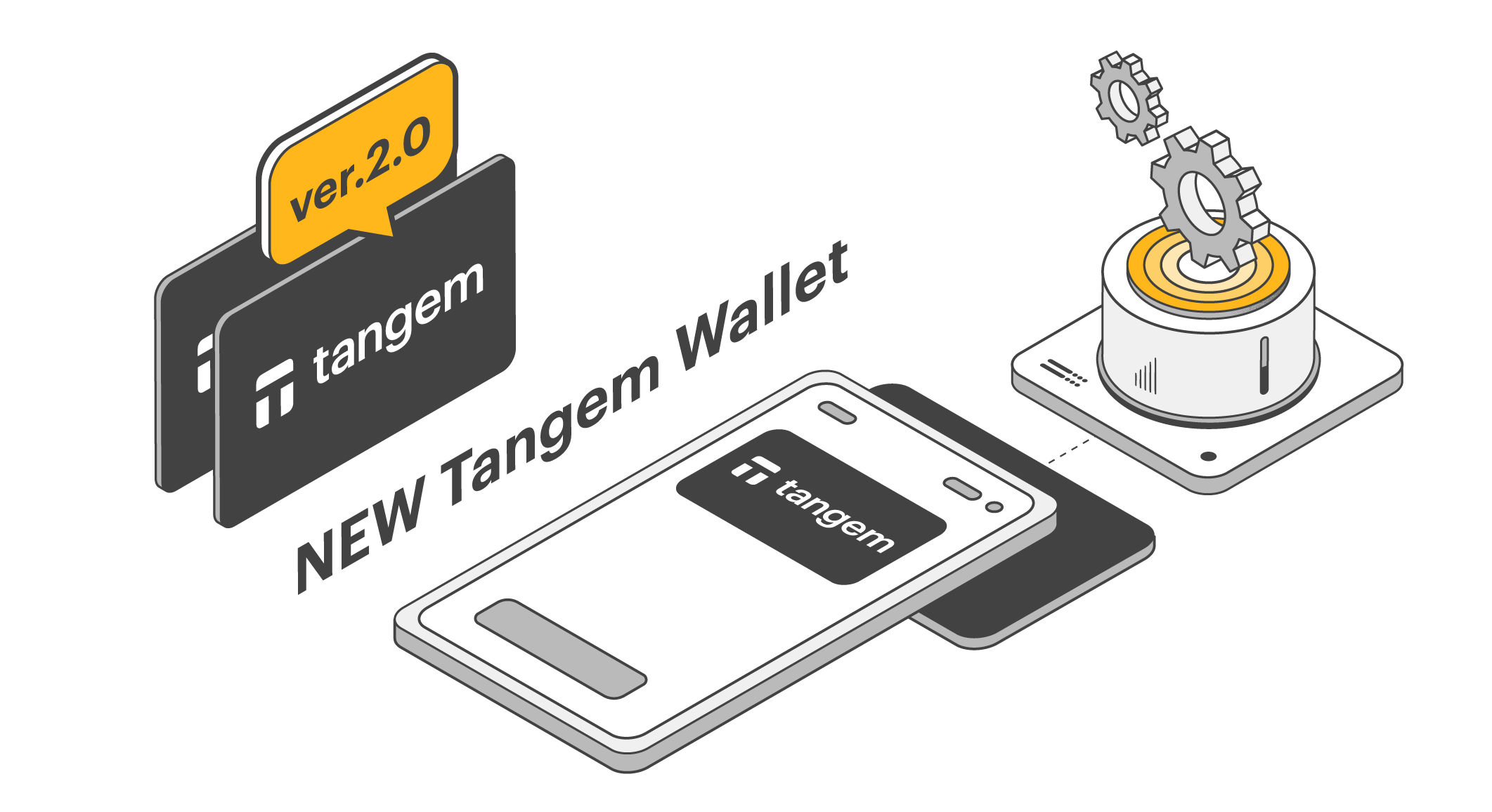
A quick tour: how these cards work
Tap. Sign. Done. That’s the user flow. The card contains a secure element that generates and holds a private key. A mobile app communicates via NFC to display transaction details and request a signature. The card verifies the request and signs it internally, never exposing the private key. The phone never touches the key material. That separation is the key advantage.
Initially I thought that meant fewer attack vectors. But actually, wait—let me rephrase that: the attack surface changes rather than vanishes. For example, if someone clones your physical card (hard, but possible with specialized gear) you’re in trouble. On the other hand, remote attacks that target a connected computer or phone are much harder to leverage against a properly implemented secure element. On one hand it’s reassuring, though actually the devil is in the details—how the chip resists tampering, how the card pairs with apps, and how the manufacturer handles firmware updates.
There are user experience wins. NFC is universal on modern phones. No cables. No dongles. And hey, carrying a card in your back pocket feels normal—no extra baggage. I’m not 100% sure if that’s the full answer for institutional use, but for personal wallets it nails a lot of pain points.
Security trade-offs and what to watch for
Here’s the thing. Not all cards are created equal. Some use certified secure elements (like Common Criteria or EMV-grade chips), others use less proven hardware. Certifications matter. They don’t guarantee perfection, but they do raise the bar for attackers. If you care about real-world threats, prioritize cards with known certifications and a transparent security model.
Pairing processes matter too. If the card ties to an app without proper verification, a malicious app could spoof transactions on-screen and trick you. Always check the transaction details displayed by the card-backed app and prefer cards that show transaction data verified by the secure element. My instinct said it was ok to trust the phone, but that’s a mistake—trust the card’s display signals.
Backup and recovery is another sticky point. With traditional seed phrases, you can recreate your wallet if a device dies. With some card models, wallet restoration depends on backup strategies the manufacturer supports—like multiple cards, or an exportable recovery token. That’s why I always recommend understanding the vendor’s recovery flow before moving large sums. I’m biased, but you’d do well to test recovery with small amounts first.
Real-world use cases that actually make sense
For travel: you can carry a backup card in a separate location from your main wallet. Simple. For daily spending of small crypto amounts: it’s quick and less intimidating than juggling a seed phrase on the fly. For gift-giving: a pre-loaded card is tangible and gets people excited. For cold storage: multiple cards used as multisig can be surprisingly elegant and low-friction.
But there are limits. Institutional custody or large multisig setups may still prefer hardware wallets with richer display and audit capabilities, or HSMs. That’s fine. Different tools for different jobs.
Where Tangem-style cards fit
When people ask me what card to try first, I point them to vendors who emphasize openness about certification and who provide clear guidance on recovery. If you want details on a well-known card approach and product family, check this resource: https://sites.google.com/cryptowalletextensionus.com/tangem-wallet/ —it explains the Tangem wallet philosophy and how card-backed NFC signing flows work in practice. I’m not paid to say that; it’s just a useful starting place for hands-on folks.
One practical tip: always update the app, and when possible update the card firmware only through official channels. Beware of side-channel threats in public spaces (someone filming your screen while you confirm a transaction is a low-tech but effective trick). Also, consider an extra layer like a PIN on the card if available—it’s a tiny friction point that greatly reduces risk of misuse.
Buy smart: provenance and authenticity
Buy from trusted sellers. Really. Resellers on marketplaces can be shady. A genuine product comes sealed and often has a way to verify authenticity via the app or on-chain attestations. If you buy second-hand, assume it could be compromised and treat it like you would a used hardware wallet—avoid transferring large balances without deep verification.
Oh, and by the way… don’t be dazzled by gimmicks. Fancy packaging doesn’t equal secure key storage. Features like seed import/export must be scrutinized. Some cards prefer a non-seed model where keys never leave the chip. That can be great. But if you need interoperable backups, make sure the card supports your threat model.
Common questions I hear—and my frank answers
FAQ
Q: Can I recover funds if the card is lost?
A: Depends. Some card ecosystems support creating multiple cards with the same key or offer an encrypted backup mechanism. Others intentionally keep keys non-exportable to reduce risk. Read the vendor recovery documentation and, if possible, practice the recovery process with small test amounts. I’ll be honest—this part trips people up a lot.
Q: Are NFC cards safe against remote attacks?
A: Mostly yes. Remote network attacks that target hot wallets are much harder against a card where signing happens offline. However, local attacks—like a compromised phone or physical cloning attempts—remain concerns. Use PINs, secure pairing, and buy certified hardware.
Q: Should I use a Tangem-style card as my only wallet?
A: For many people, yes if they follow best practices: keep a tested recovery method, use PIN protection, and limit amounts stored for daily spending. For very large holdings or institutional custody, combine strategies—multisig, custodial solutions, and air-gapped devices—because redundancy is your friend.
Something felt off the first week I used a card. I kept double-checking every transaction as if I were still in ‘seed phrase paranoia’ mode. That phase passed. Now it’s routine—like tapping a credit card at a deli. I’m not saying it’s risk-free. No security posture is. But tangibility and minimal friction get more people to adopt safer practices instead of relying on exchange custody or messy hot wallets.
So what’s the takeaway? Card-based NFC wallets are a practical middle path. They combine strong hardware protection with everyday convenience. They’re not the right tool for every situation, but for most users who want real ownership without a mountain of complexity, they strike a powerful balance. I’m curious to see how standards and audits evolve. Somethin’ tells me card-based solutions will keep getting better, and I’ll be watching closely.
